Truman Technology Co., Ltd
Address:Xitong Rd. 8, Miyun, Beijing, China
Hotline:+86 13910665008
E-mail:wxg@truman.com.cn
Wechat:lcqn2020
Welcome to Truman Robotics

Truman Technology Co., Ltd
Address:Xitong Rd. 8, Miyun, Beijing, China
Hotline:+86 13910665008
E-mail:wxg@truman.com.cn
Wechat:lcqn2020
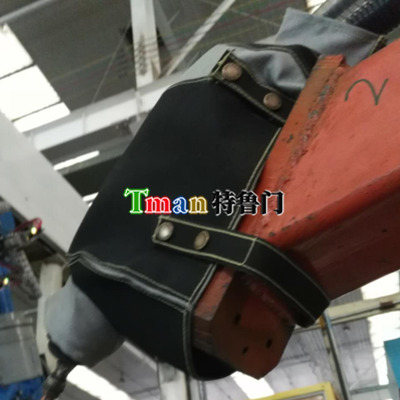
Order No.: TNE2H10
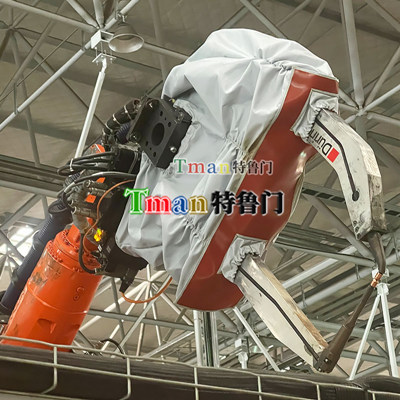
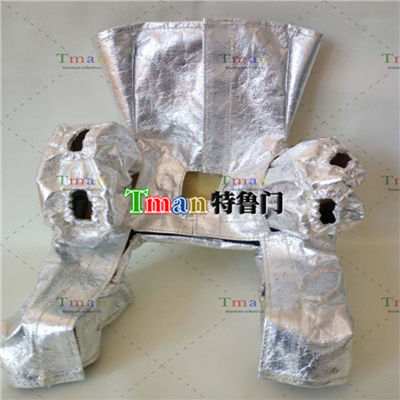
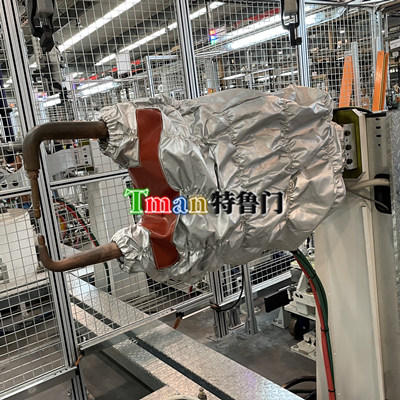
Product Name: Nelson Robot Torch Protective Cover (Torch Jacket)
Features: High‑temperature resistance, flame retardancy, dust‑proof
Protection Against: Sparks, thermal radiation, welding spatter
Application: Robotic welding torch
Size Specification: Custom non‑standard sizes available
The Nelson robot welding torch protective cover, also known as torch jacket, part number TNE2H10, is a dedicated protective sleeve engineered for automatic robotic welding torches. In high‑intensity robotic welding workshops, welding spatter, flying sparks and intense thermal radiation continuously erode torch cables and outer components. Without effective shielding, torches suffer premature ageing, surface damage and frequent breakdowns, raising maintenance costs and disrupting continuous automated‑welding production.
Manufactured from high‑performance special textile materials, this torch jacket delivers core properties including excellent high‑temperature resistance, flame‑retardant performance and reliable dust‑proof capability. It offers dependable defence against welding sparks, strong thermal radiation and molten metal spatter generated during MIG/MAG and other robotic welding processes. The protective layer blocks high‑heat sources, prevents burn‑through and abrasion on torch housings and internal cables, extending the service life of expensive robotic welding torches.
This model supports fully non‑standard custom sizing. Custom dimensions and shapes can be produced to match different brands and models of robotic welding torches, perfectly fitting complex torch contours without interfering with robot joint movement, rotation or welding trajectories. It is easy to install, remove and replace during routine maintenance. No complicated modification is required for existing robotic welding stations.
Widely applied in robot welding cells for steel‑structure fabrication, automotive workshops, heavy‑equipment manufacturing and general metal‑processing plants. It reduces unexpected torch failures, cuts spare‑part consumption and lowers production downtime. As a cost‑effective consumable accessory for robotic‑welding workstations, it stabilizes continuous‑cycle automated production.