Core Functions of Truss Gantry Robot in Industrial Automation
Date:2026-08-04 Author:Truman Robotics Visit:1939
As a mainstream Cartesian coordinate automation equipment in modern intelligent manufacturing, the truss gantry robot features simple structure, strong stability and high operational flexibility. Different from multi-joint robots with single-scene adaptability, the truss robot integrates multiple practical industrial functions, covering core links such as production line connection, material transfer and warehouse intelligent access. Its diversified functional attributes make it a key equipment to realize full-process unmanned operation in mechanical processing, new energy manufacturing and intelligent warehouse logistics.
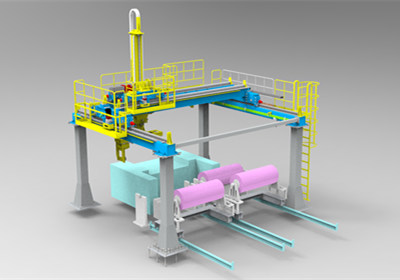
The most basic and widely used function of the truss gantry robot is automatic material handling and transfer. In continuous industrial production, raw material transportation and semi-finished product transfer are highly repetitive and high-frequency tasks. The three-axis linkage linear motion system of the truss robot supports stable and fast cross-station material transfer. It can automatically grab materials from the designated station and accurately transport them to the processing position, replacing manual repeated handling work. This function effectively solves the problems of low manual efficiency and unstable transfer rhythm, and ensures the continuous and orderly progress of assembly line production.
Automatic loading and unloading is the core functional advantage of industrial truss robot, which is widely matched with CNC machine tools, punching equipment and processing production lines. According to preset program logic, the gantry robot automatically picks up raw materials for feeding, completes workpiece replacement after processing, and realizes uninterrupted cyclic processing of equipment. It perfectly fits the high-frequency operation requirements of automated machine tool production, avoids shutdown waiting caused by manual feeding, greatly improves equipment operation rate, and realizes unmanned operation of single or multiple processing equipment.
In warehouse and logistics scenarios, the truss gantry robot realizes intelligent palletizing and depalletizing functions. Equipped with customized mechanical grippers or vacuum suction cups, it can automatically stack scattered materials into standard pallets, or disassemble layered palletized goods for subsequent distribution and processing. Different from traditional palletizing equipment with fixed strokes, the flexible adjustable stroke of the truss robot adapts to different pallet sizes and stacking heights, meeting the flexible production needs of multiple specifications and small batches in modern factories.
Precision warehouse access and intelligent inventory sorting are also important functions of the truss robot. Matched with automated three-dimensional warehouses, the gantry robot can accurately access goods at fixed positions on multi-layer shelves, complete automatic warehousing, outbound and inventory sorting tasks. Connected with WMS and WCS systems, it can automatically identify material information, record access data, and realize digital management of warehouse materials. This function eliminates manual inventory errors and improves the overall intelligence level of warehouse operation.